24/03/2026
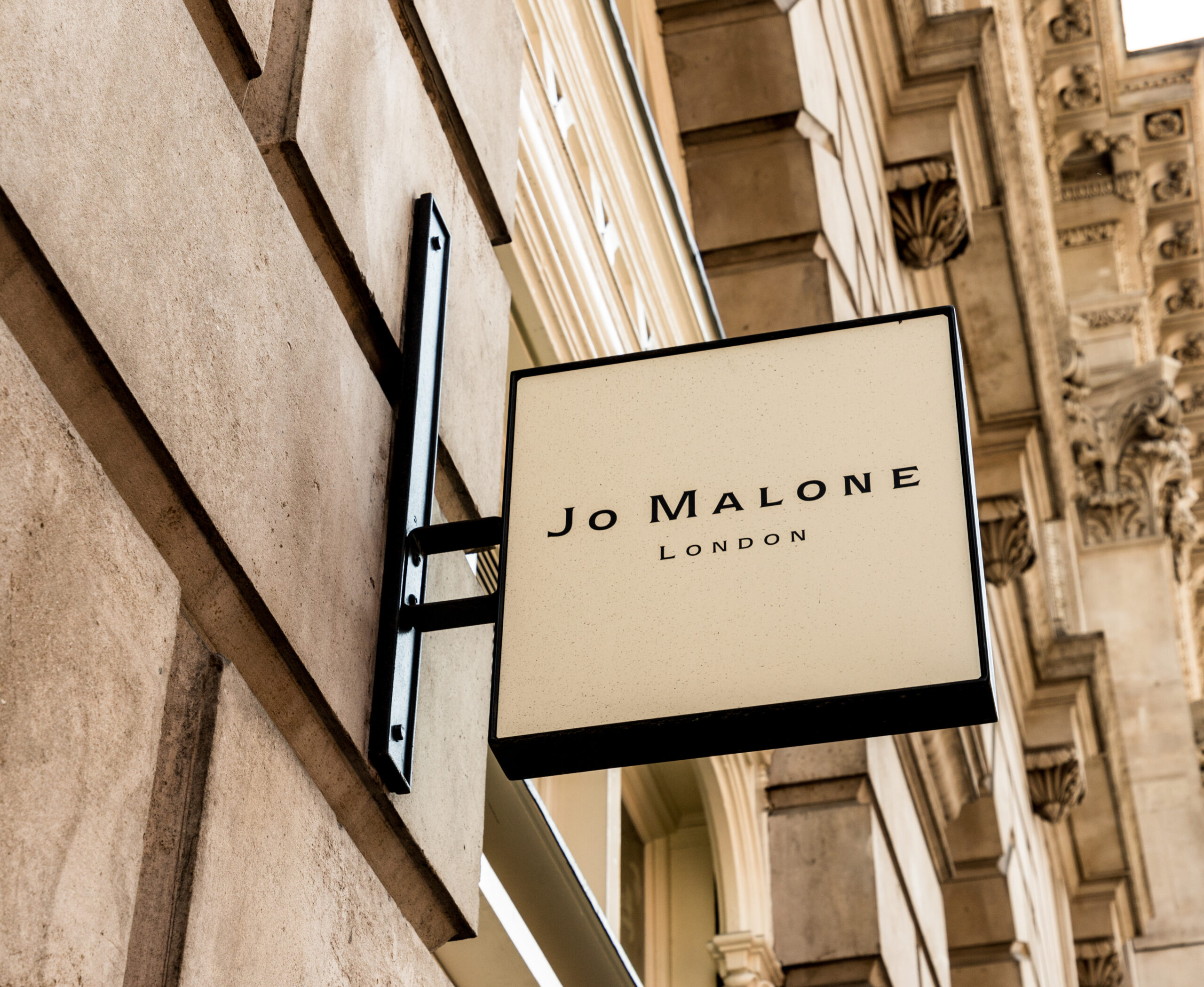
Jo Malone built one of Britain’s most recognisable luxury fragrance brands around her own name and in 1999 sold her business and the rights in her JO MALONE brand to Estée Lauder Companies (“ELC”). In 2011 ‘Jo Loves’ was launched as a new fragrance company, and all was quiet. However, in early 2026, ELC commenced proceedings in the High Court of England & Wales claiming trade mark infringement, passing off and breach of contract.
The claim is reported to centre on what seems to be a relatively recent promotional statement that a Jo Loves fragrance collaboration with Zara is “Created by Jo Malone CBE, founder of Jo Loves”, which for ELC appears to cross a line drawn in the 1999 sale agreement.
This case is in the very early stages and publicly available details are limited. It got us thinking and we looked back on an earlier case which dealt with a similar question: when a designer sells a brand that they have built around their own name, what constraints can be put on future use of their full name?
Karen Millen and the reach of restrictive covenants
For fashion and luxury brands built around the identity and name of the designer, consumers buy into the taste and aesthetics of the designer themselves. This generates immense goodwill in the designer’s personal name and turns it into a valuable commercial asset. When the rights to a namesake brand and the goodwill attached to that name are purchased by another party, you would expect to see the sale agreement include restrictive covenants preventing the seller from competing in the market by continuing to use the brand they have sold, or a brand which is confusingly similar. If a buyer is about to invest large sums in acquiring the trade mark rights and goodwill in the designer’s name, they expect to safeguard their investment and protect against the designer infringing those rights and syphoning off goodwill into a new venture.
Similar issues have been litigated before. Karen Millen, the British designer behind the fashion brand of the same name, sold her clothing and accessories business and the rights in her namesake-brand in 2004. As part of the sale she agreed to restrictive covenants preventing her from using the mark KAREN MILLEN or any similar marks in competition with the buyer. Years later, Karen Miller launched a homeware brand under her name. The High Court had to rule on the extent of the rights that had been purchased and the extent of the restrictions on Karen Millen from marketing products using her personal name.
After purchasing the KAREN MILLEN brand, the buyer had themselves expanded into new markets and categories under this name. The covenants not to use KAREN MILLEN in competition with the buyer were not tied to the nature of the business at the time of the sale. The High Court held that Karen Millen’s new homeware line did now compete with the original KAREN MILLEN brand and was therefore in breach of the agreement. This is a cautionary tale that restrictive covenants can have a reach further than anticipated.
The own name defence
In the UK, ‘the use by an individual of their own name’ does not infringe a registered trade mark. This is what some refer to as “the own name defence”. Importantly, this defence requires that the name is used ‘in accordance with honest practices in commercial matters’. The ‘honest practices’ requirement for the defence creates a duty for the person using their own name to act fairly in relation to the legitimate interests of the owner of the registered trade mark that they would otherwise infringe.
The UK courts have previously considered the availability of the own name defence in situations where a party has entered into an agreement not to trade under the name in question. Since 2019, this defence is only available to individuals using personal names.
When a party has entered into a contract which restricts their use of a trade mark or trading name, it would be challenging to convince a court that the use of that mark which is on paper in breach of that contract is in accordance with honest commercial practices. Ultimately, the wording used in that contract will be determinative.
What this means for founders and buyers
Naming a brand after the designer or founder is an attractive option and creates an appeal which is particularly effective in the fashion and luxury sector. It can signal authenticity and passion and transfer the designer’s personality into the brand. Downstream, this can generate the kind of goodwill that a corporate buyer will pay large sums to acquire. However there are inherent dangers when it comes to selling the rights in a namesake-brand.
Corporate buyers of namesake-brands have to ensure that purchase agreements include robust protection for their investment. Sellers who wish to maintain their business interests are to be cautious about the enduring implications of contractual provisions. The founder’s personal identity is no longer separate to the brand that has been built around it. And this may pass through the generations if other marks are thought to be confusingly similar to the trade name sold.
Think of the family
It’s not uncommon for the children of fashion designers to follow in their parents’ footsteps. Indeed, as celebrities become brands, any family member may find their name is part and parcel of a complex legal issue. Trade mark disputes like the one facing Jo Malone raise an interesting question: if the parent sells the rights in their personal name to a corporate buyer, how does this impact others’ abilities to trade under their own name in the same market?
Even if the trade mark rights that are sold are wrapped up in the seller’s full name and it is only the surname that is shared with the other party, these rights could be enforceable against anyone using a confusingly similar trade mark, and with the overlapping surname this could potentially include the seller’s family members.
It is an interesting question whether the own name defence assists the next generation. The contractual obligations signed by the original seller may not have an impact on other family members. Much has been reported about brand issues when there are disputes within the family. But if the original seller is working with the family members, how aggressive can the buyers of the original business be?
This article is for general information only. Its content is not a statement of the law on any subject and does not constitute advice. Please contact Reddie & Grose LLP for advice before taking any action in reliance on it.