25/06/2026
Viral social media trends can catapult brands into the spotlight overnight. Suddenly, it feels like everyone is trying to get their hands on the latest must-have product.
We’ve seen this happen with the likes of Labubu and Jelly cat.
“Squishy Dumplings” appear to be the next ‘trending toy’, having become a consumer favourite after going viral on TikTok back in 2025.
A common theme across recent toy trends is surprise and mystery. As with Labubu and Sonny Angels, where ‘blind boxes’ and unboxing videos fuel the hype, Squishy Dumplings play into this. Consumers are drawn to the excitement of the unknown, hoping to discover which toy they have received in the mystery box.
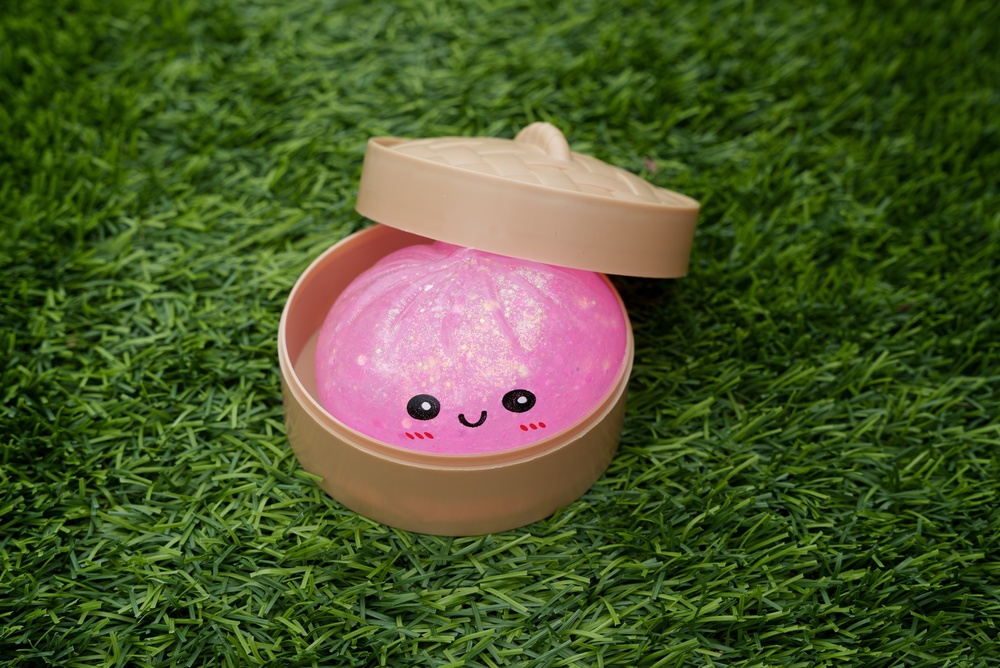
Squishy Dumplings are a soft, gel-filled or foam ‘squishy’ stress toy shaped like a bao bun / dumpling. Whilst the dumplings are already visually appealing and are likely to attract customers based on their appearance alone, the creation of rare versions like ‘glitter dumplings’ has amplified the excitement around blind box purchases and videos relating to their unboxing. The hunt for the rare dumplings has caused the toys to sell out frequently in many retailers.
It is always interesting to look at the trade mark register and see what these viral brands are protecting.
RMS USA / RMS International, the owner of the Squishy Dumpling brand, appear to have filed their first trade mark applications relating to the Squishy Dumplings brand in March of this year. They have filed various word mark applications in the US including the marks SQUISHY BUN, SQUISHY DUMPLING, and MYSTERY DUMPLING.
In addition to the words, they have also registered the stylised mark in the UK, and have applied to register the stylised mark in the UK, the US, and China.
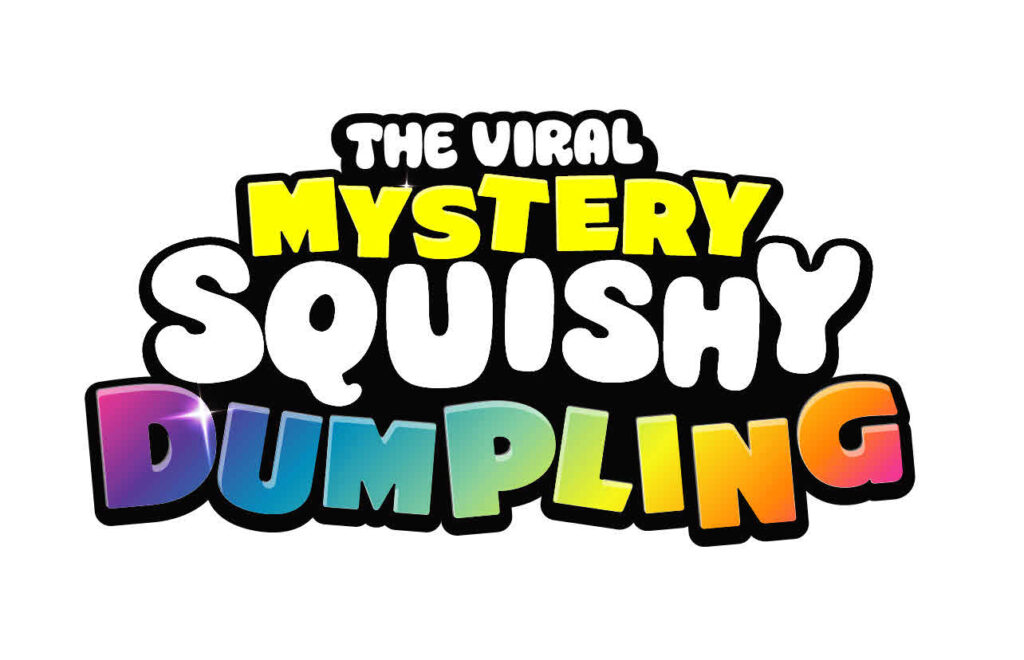
Registered stylised mark – UK

Applied to register the stylised mark – UK, US, China
As we have previously highlighted in other blogs, it is important for brands to secure trade mark protection early. Having secure intellectual property rights including registered trade mark protection for the name of your brand before going viral reduces the risk of third party issues arising. It would be frustrating to be forced to rebrand after building strong consumer recognition because you don’t have the right protection. Further, having registered intellectual property rights gives the brand owner the means to prevent unauthorised third parties from trying to benefit from their success. Many social media platforms, including TikTok, require proof of such registered rights before they will take any action to remove alleged infringing posts or advertisements.
In addition to securing trade mark protection for the name of your brand, it is often also important to seek to protect the look of your item if consumers recognise it as being distinctive. The importance of the look of a sought-after toy has been highlighted recently, with reports that Jelly Cat is taking legal action in the United Kingdon against several third parties it believes are infringing their rights because of the look of their toys.
Whilst there is no sign yet that RMS USA/ RMS International have applied to protect the look of their Squishy Dumplings as a 3D trade mark, this may be their next step. This is particularly true in the context of social media trends, where consumers’ fascination with unboxing videos means that a product’s appearance is often the primary way that brands are being recognised.
Can you picture a toy for which you could instantly recognise the brand, even without seeing the brand name? If so, the creator should consider their IP protection!
This content is for general information only. Its content is not a statement of the law on any subject and does not constitute advice. Please contact Reddie & Grose LLP for advice before taking any action in reliance on it.