17/07/2026
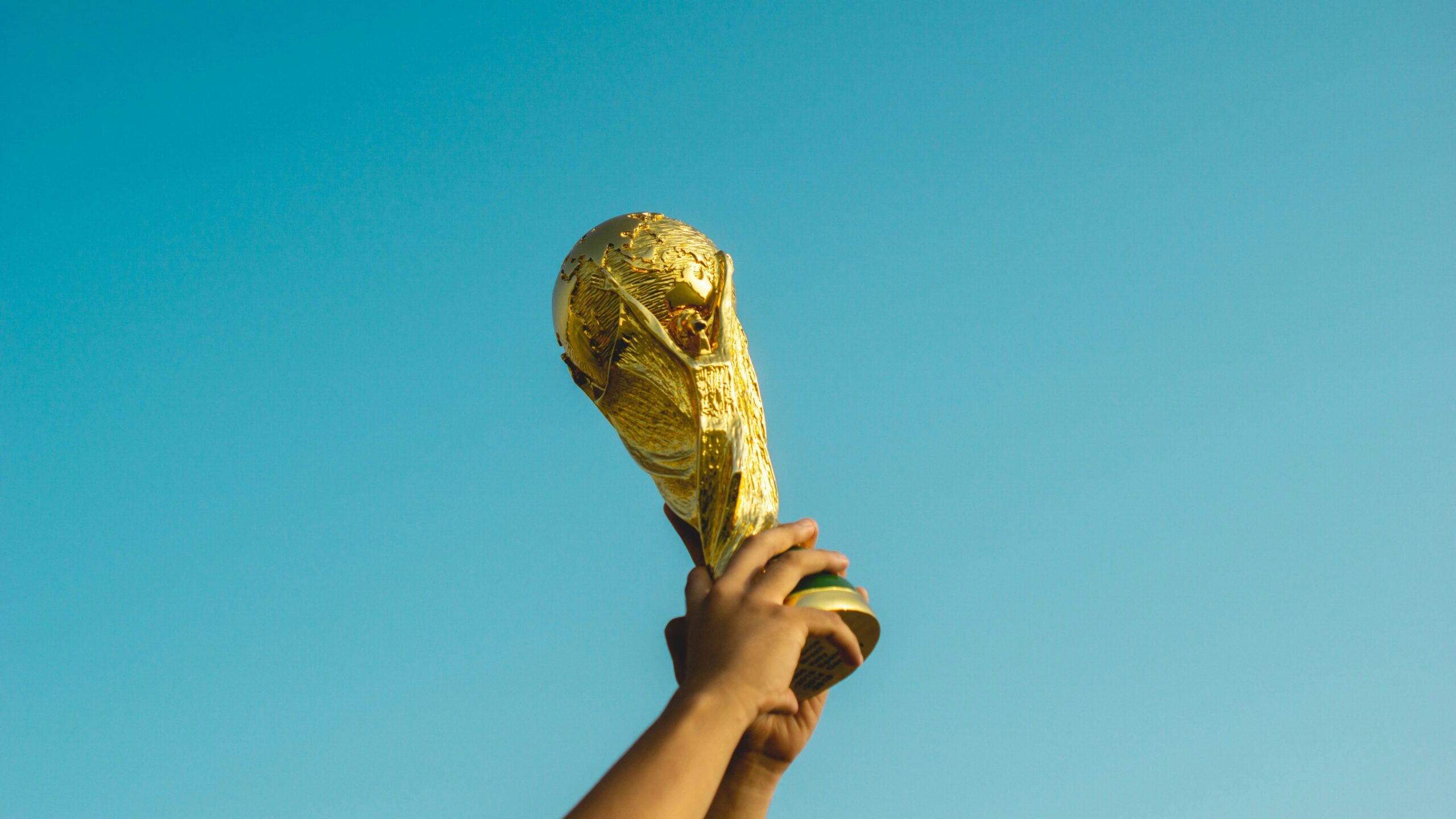
The 2026 FIFA World Cup is set to be one of the most commercially successful sporting events ever. Recent projections suggest FIFA will generate more than US$10 billion over its current four-year commercial cycle, underlining just how valuable the tournament has become, as both a sporting spectacle and also as a global marketing platform.
Major sporting events have long provided optimal conditions for ‘ambush marketing’. This is where brands that are not official sponsors seek to capitalise on the spotlight and global attention by pulling off marketing stunts and running campaigns without paying the significant fees required for official sponsorship.
There have been some memorable examples of this over the years. At the 1996 Atlanta Olympics, Nike (despite not being an official sponsor) set up a large “Nike Centre” close to Olympic venues and dominated the surrounding area with advertising. More recently, during the London 2012 Olympics, Paddy Power attracted headlines by proclaiming itself the “Official Sponsor of the Largest Athletics Event in London This Year”, with the small print revealing it was referring to an egg-and-spoon race in the French village of London.
For event organisers and also brand sponsors, protecting exclusivity is a constant challenge. Counterfeit merchandise, unauthorised advertising and attempts to create unofficial associations with an event are all common features of major international tournaments. They can blur the lines in consumers’ minds and dilute the exclusivity that official sponsors have paid for. With the event itself lasting only a matter of weeks, enforcement measures need to be swift, practical and carefully coordinated.
It is therefore no surprise that FIFA has historically taken a robust approach to protecting the commercial rights of its official partners. One of the more eye-catching examples during the 2026 tournament has been the application of FIFA’s “clean stadium” rules, where several US stadiums with commercial sponsors temporarily lost those names for the duration of the tournament.
We’re used to seeing sponsored stadium in the UK, with Premier League grounds The Emirates Stadium, The Etihad Stadium and The Amex Stadium. The same is true across the United States, where World Cup venues (ordinarily operating as NFL stadiums) include those usually known as Levi’s Stadium, Gillette Stadium and Mercedes-Benz Stadium.
During the World Cup, however, those names have completely disappeared. The venues were renamed with neutral geographic names and their usual sponsor branding was covered or removed. FIFA sells exclusivity to its official commercial partners. Allowing competing brands to dominate the backdrop of the tournament would undermine the very rights those sponsors have paid for. It is all part and parcel of the protection of the official sponsors.
Rather than quietly accepting the temporary loss of their branding, several affected brands have turned ‘debranding’ into a marketing opportunity of its own. They have used the absence of their signature trade marks to draw attention to their distinctiveness and recognisability.
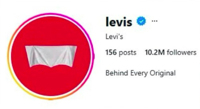
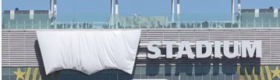
Levi’s, for example, launched a campaign featuring a debranded version of its iconic Red Tab. At the stadium the familiar word mark was removed. The colour red was removed. The distinctive tab was covered in white drapes – as per the “clean stadium” rules. Levi’s then copied that temporary white tab and it has appeared across retail locations in cities including London and Paris, reinforcing the idea that some brands have become so distinctive they no longer need to display their name to be recognised. Levi’s Instagram handle picture was even updated to match.
Gillette circulated images of the Gillette Stadium in which the familiar word mark was obscured beneath oversized sculptures resembling thick shaving foam: a reference to the brand’s products while acknowledging the temporary restrictions. After their Stadium’s games were over for the tournament, they went so far as to fake-shave that foam away – again, all over their social media.
Meanwhile, Mercedes-Benz may have inadvertently designed one of the most resilient examples of stadium branding. The enormous three-pointed star mounted on the roof of Mercedes-Benz Stadium forms part of the building’s architecture and, unlike traditional signage, had to remain visible because it gives structural integrity. Removal would risk structural damage – or so Mercedes would have FIFA believe.
It’s not only stadium sponsors getting involved. Heinz, whose products are supplied within hospitality areas at several venues, also embraced the debranding trend. The company launched advertising material featuring its famous ketchup bottle with the traditional label taped over, accompanied by the strapline “It still has to be…”.
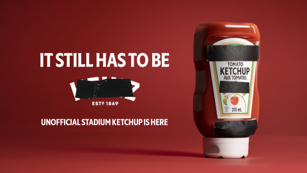
Heinz blacks out its logo in World Cup stunt | Creative Bloq – Image Credit: Heinz
By turning FIFA’s “clean stadium” rules into an unconventional advertising opportunity, Levis, Heinz, Gillette and others have done more than sustain brand presence through the tournament. They have shown an alternative way of boosting long-term protection of a brand and reputation. They have educated their customers to look beyond the name.
With copycat products and counterfeits on the rise, defending brand owners are increasingly having to prove that the distinctiveness of their get-up lies in more than just a central word or symbol element. They often need to be able to show consumers have been educated to recognise their distinctive elements of their branding and trade marks, but collecting actual evidence of this, without the word, can be challenging.
Levis, Gillette and Heinz’s responses to FIFA’s ‘debranding’ have demonstrated a creative solution. They have made it clear that advertising which deliberately excludes a brand’s signature trade mark can magnify distinctiveness of their traditional trade marks and impact consumer recognition, two things which are vital for ensuring brand protection in the short and the long term.
It will be interesting to see if and how this new advertising approach continues as the World Cup draws to a close, and whether any other brands take inspiration!
This content is for general information only. Its content is not a statement of the law on any subject and does not constitute advice. Please contact Reddie & Grose LLP for advice before taking any action in reliance on it.