30/06/2026
KFC has unveiled a major global brand refresh, developed with branding agency JKR, which is being rolled out first in the UK and Ireland before expanding more widely.
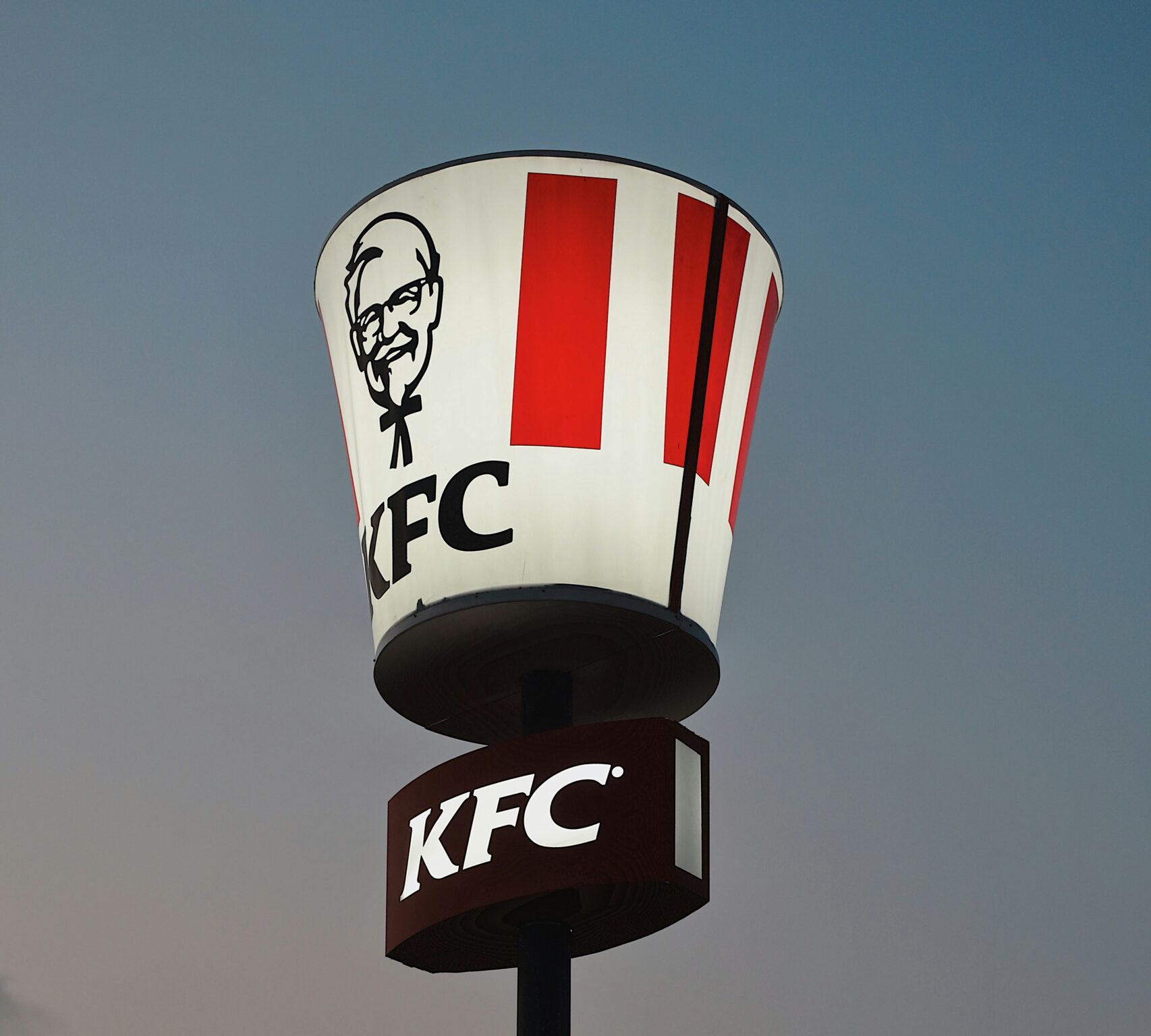
Rather than simply updating a logo, the refresh appears to be a much broader exercise in brand evolution. The famous bucket has been placed at the centre of the new identity, with the Colonel subtly refreshed, the red-and-white visual language re-energised, and the wider brand system extended across packaging, restaurants, digital platforms and advertising.
The refresh is also being accompanied by new food and drink propositions, including boneless chicken products, a range of sauces and the KWENCH by KFC beverage platform. This is a useful reminder that modern rebrands are rarely just cosmetic. A successful rebrand can signal a wider strategic shift: a new look, a new customer experience, and often a new set of commercial opportunities.
From a trade mark perspective, that broader approach is important. When a business changes the way it looks, sounds and sells, it should also consider whether its IP protection still matches the brand in the marketplace.
A rebrand should be checked before launch. New names, logos, product sub-brands and slogans should be cleared to reduce the risk of conflict with earlier rights, particularly where the brand will be used across different products, services and territories.
Protection should also reflect the commercial direction of the rebrand. If the new identity extends beyond restaurant services into drinks, sauces, packaged foods, merchandise, apps or delivery services, the trade mark filing strategy should be broad enough to support that growth.
Other IP rights may also be relevant. Packaging, graphics, interiors, digital assets and other visual features may benefit from design or copyright protection, and businesses should ensure they have the necessary rights in any creative work produced by external agencies.
KFC’s refresh is particularly interesting because it leans into existing brand equity. The Colonel, the bucket, the stripes and the “Finger Lickin’ Good” message are not discarded; they are given new roles within a broader brand system. That is often the safest and most commercially powerful type of rebrand. It allows a business to evolve while keeping the distinctive assets that consumers already recognise.
For brand owners, the lesson is clear. A rebrand is not just a marketing moment. It is an IP moment. The stronger and more consistent the new identity, the more important it is to identify which elements are distinctive, which should be protected, and how the portfolio should support the next phase of the business.
In KFC’s case, the refresh is not just a new lick of paint. It is a brand system designed to support new products, new experiences and a new era for one of the world’s best-known fast-food names. For any business considering a rebrand, that is the bucket-sized takeaway: protect the brand you are building, not just the logo you are launching.
This content is for general information only. Its content is not a statement of the law on any subject and does not constitute advice. Please contact Reddie & Grose LLP for advice before taking any action in reliance on it.